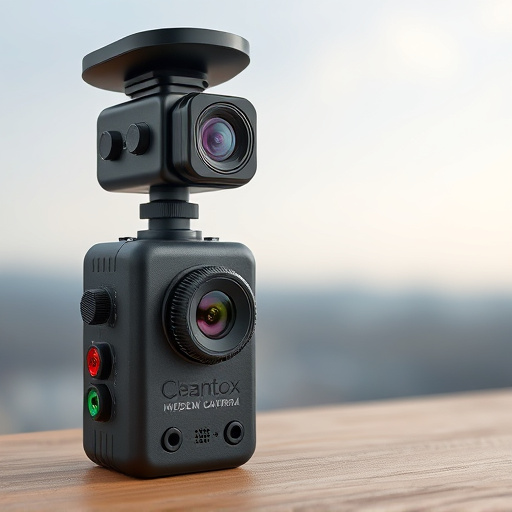
Portable hidden cameras with audio provide advanced surveillance, capturing high-resolution video and clear audio through their compact design and built-in microphones. Ideal for home security, investigations, or personal monitoring, these devices offer features like remote monitoring and motion-activated recording. However, legal and ethical concerns arise due to privacy laws and the potential infringement on privacy rights, emphasizing the importance of using them responsibly and within legal boundaries.
Uncover the power of a portable hidden camera with audio—a discreet tool that captures both visual and auditory details. This comprehensive guide explores the features and benefits of these versatile devices, helping you choose the right spy camera for your unique needs. From home security to professional surveillance, we’ll navigate legal and ethical considerations to ensure responsible usage. Discover how these cameras can enhance your awareness while adhering to important guidelines.
Understanding Portable Hidden Cameras with Audio: Features and Benefits
Portable hidden cameras with audio are compact, versatile devices designed for discreet surveillance and recording. These cameras offer a range of features that make them appealing to individuals seeking privacy monitoring or evidence collection. With advanced technology, they can capture high-resolution video and clear audio, providing users with detailed visuals and sounds from hard-to-reach or hidden locations.
The benefits of portable hidden cameras with audio are numerous. They allow for remote monitoring via live video feed, ensuring peace of mind when leaving a location. The built-in microphone captures ambient noise, making it easier to identify suspicious activities or gather evidence during covert operations. Additionally, these devices can be easily concealed, making them ideal for discreetly recording in various settings, from homes and offices to public spaces.
Choosing the Right Spy Camera with Microphone for Your Needs
When selecting a spy camera with microphone, understanding your specific requirements is key. Different devices cater to various needs, from home security and surveillance to professional investigations or personal monitoring. The right choice will offer a combination of discretion, clarity, and functionality. For instance, if you’re prioritizing audio quality, look for models featuring high-quality microphones capable of capturing crisp and distinct sounds. These advanced microphones can be particularly useful in environments where clear audio is essential, such as legal or medical investigations.
Consider also the camera’s resolution and recording capabilities. Higher resolutions provide sharper images, which are crucial when detailed evidence is needed. Additionally, some spy cameras offer motion-activated recording, saving storage space and ensuring you capture only relevant footage. Portability is another factor; a compact, easily concealable device may be ideal for covert operations or discreet monitoring. Thus, evaluating these aspects will help ensure you acquire a reliable portable hidden camera with audio tailored to your specific requirements.
Legal and Ethical Considerations for Using Spy Cameras with Audio Recording
The use of spy cameras equipped with microphones raises important legal and ethical questions, especially with the increasing availability of portable hidden cameras with audio recording capabilities. In many jurisdictions, secretly recording conversations or capturing audio without consent is a violation of privacy laws. This is particularly sensitive in public spaces where individuals expect a certain level of privacy. Even in private residences, unconsented audio surveillance can lead to serious legal repercussions and potential civil lawsuits for invasion of privacy.
Ethically, the use of spy cameras with audio should be approached with utmost caution. It’s crucial to consider the impact on individuals’ rights to privacy and their freedom from surveillance. The mere presence of such devices could create an atmosphere of mistrust and paranoia. Users must also be mindful of the type of information captured, as audio recordings can easily be misinterpreted or used out of context, leading to unfair judgments or slanderous allegations.